The Hellenic Navy (HN) (Greek: Πολεμικό Ναυτικό, Polemikó Naftikó, abbreviated ΠΝ) is the naval force of Greece, part of the Greek Armed Forces. The modern Greek navy has its roots in the naval forces of various Aegean Islands, which fought in the Greek War of Independence. During the periods of monarchy (1833–1924 and 1936–1973) it was known as the Royal Navy (Βασιλικόν Ναυτικόν, Vasilikón Naftikón, abbreviated ΒΝ).The total displacement of all the navy's vessels is approximately 150,000 tons.The motto of the Hellenic Navy is "Μέγα το της Θαλάσσης Κράτος" from Thucydides' account of Pericles' oration on the eve of the Peloponnesian War. This has been roughly translated as "Great is the country that controls the sea". The Hellenic Navy's emblem consists of an anchor in front of a crossed Christian cross and trident, with the cross symbolizing Greek Orthodoxy, and the trident symbolizing Poseidon, the god of the sea in Greek mythology. Pericles' words are written across the top of the emblem. "The navy, as it represents a necessary weapon for Greece, should only be created for war and aim to victory."...............The Hellenic Merchant Marine refers to the Merchant Marine of Greece, engaged in commerce and transportation of goods and services universally. It consists of the merchant vessels owned by Greek civilians, flying either the Greek flag or a flag of convenience. Greece is a maritime nation by tradition, as shipping is arguably the oldest form of occupation of the Greeks and a key element of Greek economic activity since the ancient times. Nowadays, Greece has the largest merchant fleet in the world, which is the second largest contributor to the national economy after tourism and forms the backbone of world shipping. The Greek fleet flies a variety of flags, however some Greek shipowners gradually return to Greece following the changes to the legislative framework governing their operations and the improvement of infrastructure.Blogger Tips and Tricks
This is a bilingual blog in English and / or Greek and you can translate any post to any language by pressing on the appropriate flag....Note that there is provided below a scrolling text with the 30 recent posts...Αυτό είναι ένα δίγλωσσο blog στα Αγγλικά η/και στα Ελληνικά και μπορείτε να μεταφράσετε οποιοδήποτε ποστ σε οποιαδήποτε γλώσσα κάνοντας κλικ στη σχετική σημαία. Σημειωτέον ότι παρακάτω παρέχεται και ένα κινούμενο κείμενο με τα 30 πρόσφατα ποστς....This is a bilingual blog in English and / or Greek and you can translate any post to any language by pressing on the appropriate flag....Note that there is provided below a scrolling text with the 30 recent posts...Αυτό είναι ένα δίγλωσσο blog στα Αγγλικά η/και στα Ελληνικά και μπορείτε να μεταφράσετε οποιοδήποτε ποστ σε οποιαδήποτε γλώσσα κάνοντας κλικ στη σχετική σημαία. Σημειωτέον ότι παρακάτω παρέχεται και ένα κινούμενο κείμενο με τα 30 πρόσφατα ποστς.........

Sunday, March 9, 2014

Συγκρούσεις στην Υεμένη..[ 3791 ]

Τουλάχιστον 30 νεκροί σε συγκρούσεις στην Υεμένη

ΤΑ ΝΕΑ  //  9/3/14  // ΔΗΜΟΣΙΕΥΣΗ: 12:59 |
Τουλάχιστον 30 νεκροί σε συγκρούσεις στην Υεμένη

Τουλάχιστον 30 άνθρωποι σκοτώθηκαν στη διάρκεια των διήμερων συγκρούσεων μεταξύ σιιτών ανταρτών και σουνιτών μελών μιας φυλής στη βορειοδυτική επαρχία αλ Τζάουφ της Υεμένης, όπως ανακοίνωσε ο κυβερνήτης της.
.
Οι σιίτες αντάρτες Χούτι προσπαθούν να ενισχύσουν τη θέση τους στη βόρεια Υεμένη, μία μόνο από τις προκλήσεις που αντιμετωπίζει η μεταβατική κυβέρνηση της χώρας, η οποία μάχεται επίσης εναντίον των ανταρτών που επιθυμούν την απόσχιση του νότου, αλλά και ανταρτών που συνδέονται με την αλ Κάιντα.
.
«Η Προεδρική Επιτροπή επενέβη για να σταματήσει τις συγκρούσεις, μετά τις μεγάλες απώλειες και από τις δύο πλευρές που έφτασαν τους 30 νεκρούς και δεκάδες τραυματίες», δήλωσε ο Μοχάμεντ μπιν Αμπούντ, κυβερνήτης της αλ Τζάουφ.
.
Ο μπιν Αμπούντ πρόσθεσε ότι έχει υπάρξει συμφωνία για τον τερματισμό των συγκρούσεων υπό την εποπτεία της Επιτροπής.
Οι Χούτι, που ελέγχουν μεγάλο μέρος της βόρειας επαρχίας Σαάντα που συνορεύει με τη Σαουδική Αραβία και γειτονεύει με την αλ Τζάουφ, προσπαθούσαν να καταλάβουν την πόλη Ντάματζ από τους σαλαφιστές που συνδέονται με τη φυλή αλ Άχμαρ.
.
Οι Χούτι ισχυρίζονται ότι οι σαλαφιστές στρατολογούν ξένους μαχητές για να επιτεθούν εναντίον τους, μια κατηγορία που οι σουνίτες διαψεύδουν.

Ορίστηκε η επιτροπή για την κατάρτιση νέου συντάγματος
Στο μεταξύ, ο πρόεδρος της χώρας Αμπντ Ράμπο Μάνσουρ Χάντι εξέδωσε διάταγμα για τον σχηματισμό μιας επιτροπής αρμόδιας για την κατάρτιση του νέου συντάγματος της χώρας, βάσει του οποίου η Υεμένη θα γίνει ένα ομοσπονδιακό κράτος με έξι επαρχίες.
Σύμφωνα με το διάταγμα, που δημοσιεύθηκε το Σάββατο από το επίσημο πρακτορείο Sana, η επιτροπή έχει στη διάθεσή της ένα χρόνο για να καταρτίσει το νέο σύνταγμα το οποίο θα πρέπει να εγκριθεί με δημοψήφισμα σε διάστημα ενός έτους, αφού γίνει δεκτό από μια άλλη επιτροπή.
Η επιτροπή κατάρτισης του συντάγματος, στην οποία περιλαμβάνονται 17 μέλη μεταξύ των οποίων και 4 γυναίκες, καλείται να περιλάβει στο νέο κείμενο τα συμπεράσματα του εθνικού διαλόγου, που προβλέπει μια μεγάλη αποκέντρωση της
εξουσίας και τον σχηματισμό έξι επαρχιών -τέσσερις στον βορρά και δύο στο νότο.

Το ΠΑΣΟΚ απέκλεισε τον Πάγκαλο..[ 3790 ]

Πάγκαλος: «Το ΠΑΣΟΚ με απέκλεισε ηλιθίως από την Ελιά»

ΤΑ ΝΕΑ // 9/3/14 // ΔΗΜΟΣΙΕΥΣΗ: 13:06 |
Πάγκαλος: «Το ΠΑΣΟΚ με απέκλεισε ηλιθίως από την Ελιά»
Την αντίδραση του πρώην αντιπροέδρου της κυβέρνησης Θεόδωρου Πάγκαλου προκάλεσε το γεγονός ότι, όπως είπε, αποκλείστηκε από το εγχείρημα της Ελιάς. «Υπάρχει ένα ΠΑΣΟΚ που αποκλείει. Και το ΠΑΣΟΚ που αποκλείει δεν μπορεί να συνενώσει», όπως είπε.

«Εμένα δεν με κάλεσαν. Επειδή είχαν καλέσει πολλούς ανθρώπους από το περιβάλλον μου, θεωρώ ότι με απέκλεισαν για κάποιο λόγο τον οποίο δεν γνωρίζω» είπε ο κ. Πάγκαλος στο Mega.

Αναφερόμενος στη συνδιάσκεψη για την Ελιά, ο πρώην υπουργός δήλωσε: «Δεν ξέρω αν θα πήγαινα, αλλά θέλω να επισημάνω πόσο ηλίθιοι είναι αυτοί που αποφάσισαν να μην με καλέσουν. Διότι αν με καλούσαν και δεν πήγαινα θα έπρεπε να δικαιολογηθώ εγώ που δεν πήγα, ενώ τώρα πρέπει να δικαιολογηθούν αυτοί που δεν με κάλεσαν».

Ερωτηθείς αν παρόλα αυτά υποστηρίζει το εγχείρημα, ο κ. Πάγκαλος απάντησε χαρακτηριστικά: «Εγώ δεν εκλήθειν, απεκλείσθην, οπότε δεν βλέπω το λόγο γιατί να το στηρίξω. Είμαι πολιτικό ον, δεν είμαι πολιτικό γαϊδούρι όμως».

«Θεωρώ ότι απεκλείσθην από την ηγεσία του ΠΑΣΟΚ από την προσπάθεια για τη δημιουργία της Ελιάς. Κατόπιν αυτού είμαι εκτός Ελιάς και θα την αντιμετωπίζω κατά βούληση» συμπλήρωσε ο Θεόδωρος Πάγκαλος.

Myths about the Ukraine crisis...[ 3789 ]

Five myths about the Ukraine crisis

By Aaron David Miller / CNN
March 8, 2014 -- Updated 1359 GMT (2159 HKT)
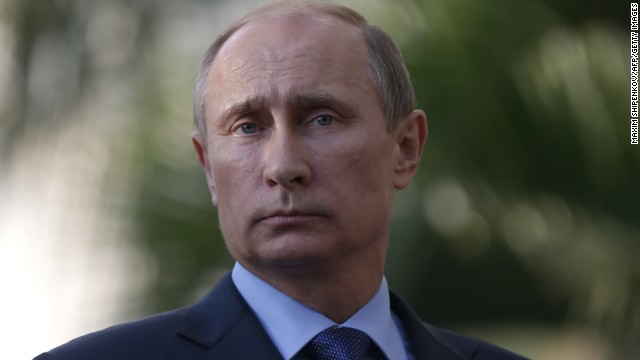
Russia's President Vladimir Putin is a popular but polarizing figure who has dominated Russian politics for more than a decade. Click through to see some highlights of his career. 
Russia's President Vladimir Putin is a popular but polarizing figure who has dominated Russian politics for more than a decade. Click through to see some highlights of his career.

Editor's note: Aaron David Miller is a vice president and distinguished scholar at the Woodrow Wilson International Center for Scholars and was a Middle East negotiator in Democratic and Republican administrations. Follow him on Twitter.

(CNN) -- Ignorance really isn't bliss. But there are times when the lack of knowledge and expertise about a subject or place can actually serve to clear the mind and lead to some clarity and honesty in the debate on even the most complex matters.
.
I'm certainly no expert on Ukraine. I'm not sure before this crisis that I could even name all of the countries that share its borders. But watching the ticktock of the debate on the issue this past week, I'm stunned by the lack of perspective and breathlessness in the discussion.
.
Sadly, I've grown accustomed to the partisanship. It has become a permanent fixture of our analytical and policy landscape. But here are several things about the recent coverage and discussion on Ukraine that even my lack of expertise won't allow me to accept:
1. We're back in the Cold War
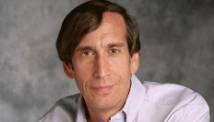
Aaron David Miller
Aaron David Miller
Clearly, none of the resets have worked with Russian President Vladimir Putin. Whether it was President George W. Bush looking into his eyes and seeing his soul or Bob Gates finding a stone-cold killer there, Putin isn't Stalin, Khrushchev or Brezhnev. That's hardly a shocker. Nor are we still in that unique period when two superpowers with contrasting ideological systems under the threat of nuclear war clashed and fought by proxy from one end of the globe to the other.
There's no doubt that the United States and Russia have major differences. But the issue is no longer ideological. Russian capitalism is here to stay, state-controlled and monitored though it may be. And what ideology exists has more to do with asserting Russian national interests than anything Marx or Lenin would have recognized. And in at least one respect, that's too bad. At least during much of the Cold War, from the 1970s on, there were rules, do's and don'ts that prevented situations like Ukraine.
We'll continue to struggle with Putin, to be sure. But the world's too small, the Europeans too dependent on Russia, and the realities of global interdependence too deep to imagine hitting the rewind button and turning the planet into an arena of conflict and competition. Would it make for a good video game? Yes.
2. Putin is Hitler
 
Sen. Marco Rubio: Putin blatantly lied
 
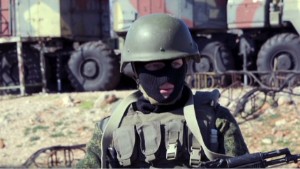
Turmoil continues in Ukraine
 
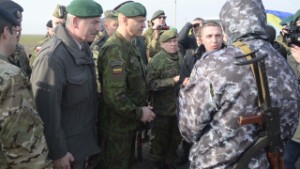
OSCE monitors denied entry into Crimea
In the past week, I've heard people I admire and respect talk about Crimea as Munich and Putin as Hitler. Twain wrote that history doesn't repeat; it rhymes. But those rhythmic patterns aren't evident here, either.
When we can't think of intelligent parallels in analyzing nations who do things America cannot abide, it seems we're drawn irresistibly to the Hitler trope. The same thing happens with Iran. And while I don't for a moment condone the vicious Israel-baiting and hating of the mullahcracy in Tehran (and the anti-Semitism, too) to bring up Hitler not only trivializes the monstrosity of the evil and the magnitude of the crimes in his time, it imposes unrealistic challenges in ours.
The unique challenge of Hitler demanded that he be stopped and the Nazi regime destroyed.
We don't have to like the Putin government in Russia, or Supreme Leader Ali Khamenei's in Iran, to recognize that the magnitude of the threat is different. To compare them to Hitler is to urge the United States into a game that we don't want to play and can't win.
As best I can figure, Putin is a clever and easily riled Russian nationalist who presides over what remains of an empire whose time has come and gone. He lives in reality, not in some megalomaniacal world. But he is prepared to assert Russia's interests in spheres where it matters, and to block the West's intrusion into those areas as best he can. Russia is his "ideology." And on Ukraine, history and proximity give him cards to play.
This man isn't a fanatic. Money, pleasure and power are too important to him. Any leader who is willing to be photographed shirtless on a horse, like some cover of Men's Health magazine, isn't going to shoot himself in the head or take cyanide in a bunker. This guy is way too hip (Russian style) and attached to the good life to be Hitler. And given Russia's own suffering at the hands of the Nazis, saying he is just makes matters worse.
3. It's all Obama's fault
President Barack Obama was never the catastrophic incompetent or Satan's finger on earth that his worst critics imagined nor the redeemer, savior, or great President that his most avid acolytes wanted. And yet the notion that Obama, through weak and feckless foreign policy, was responsible for Putin's move into Ukraine strains credulity to the breaking point.
This urban legend that because of Benghazi and the "red line" affair in Syria, Putin was compelled to do something in Ukraine that he wouldn't have done had Obama acted differently, is absurd. The administration's foreign policy has often resembled a blend between a Marx Brothers movie and the Three Stooges. But on this one the charge is absurd, as is the notion that somehow Obama could have stopped him.
When the Soviet Union invaded Hungary in 1956, there was no U.S. military response; ditto in 1968 when the Soviets put down Prague Spring in Czechoslovakia. Sometimes, geography really is destiny. Russia believed its vital interests in Ukraine were threatened and it had the means, will, and proximity to act on them. And it's about time we faced up to it.
4. Bombing Syria would have saved Ukraine
This notion that Obama's opponents have latched onto is, of course, unknowable. There are no rewind buttons in history. Counterfactuals are prime talking and debating points because they cannot be proven one way or the other. But to argue that launching cruise missiles at Syrian military targets somehow would have deterred Putin from acting on what he perceived to be a Russian vital interest, or emboldened the Europeans to stand tougher against him, really is off base.
Syria and Ukraine are like apples and oranges the President's detractors insist on putting in the same basket. Even if Obama thought the U.S. had vital interests that justified an attack on Syria, it is likely it would not have altered Putin's policy toward Ukraine. The country perceived to be in Russia's zone of influence and manipulation was drifting westward. And Putin was determined to stop it.
5. Ukraine can have a 'Hollywood' ending
Are there good guys and bad guys in the Ukraine-Russian drama? Sure there are. We have courageous Ukrainian patriots who died in the Maidan for the dignity and freedom they believed in; corrupt and ruthless government officials who were willing to use force against their own citizens; Russian provocateurs eager to stir up trouble; extremist Ukrainian nationalists who are hardly democrats; and a Russian strongman who hosted the Olympics one week and invaded the territory of a sovereign country the next.
I suspect that the Ukrainian Spring -- if that's what it is -- may turn out better than its Arab counterpart. But we have to be real. Ukraine may be fractious and troubled for some time to come.
Below the morality play there is intense factionalism; regional differences; scores to settle; Russian manipulation; and a tendency to avoid the kind of compromise that would lead to real power sharing and good governance.
We like Hollywood endings. But real democratization depends less on a friendly U.S. or EU hand than on the emergence of genuine leaders who are prepared to rise above factional affinities and see a vision for the country as a whole. It also depends on institutions that reflect popular will and some mechanism for accommodating differences peacefully without resorting to violence.
There are no easy or happy endings here. And we can only make matters worse, as Henry Kissinger suggested recently, by trying to turn the Ukraine crisis into a Russia vs. the West (or worse, the U.S.) tug-of-war.

Αυτοκαταγγελια ποδοσφαιριστή για θέατρο...[ 3788 ]


Έπεισε τον διαιτητή να πάρει πίσω το πέναλτι (video)

Έπεισε τον διαιτητή να πάρει πίσω το πέναλτι (vds)
Eθνος On line / 9/3/14 / 13:03
Ο Άαρον Χούντ, της Βέρντερ Βρέμης, έκανε μια κίνηση που σπάνια βλέπουμε σε γήπεδο. Ο παίκτης της γερμανικής ομάδας, στον εκτός έδρας αγώνα με την Νυρεμβέργη, ζήτησε από τον διαιτητή να πάρει πίσω το πέναλτι που ο ίδιος κέρδισε. 
.
Ο Χούντ, με το σκορ να είναι 2-0 υπέρ της ομάδας του, «βούτηξε» μέσα στην περιοχή της Νυρεμβέργης και ο διαιτητής έδωσε πέναλτι.
Ο παίκτης της Βέρντερ Βρέμης, μάλλον ένιωσε τύψεις και με το που ο διαιτητής έδειξε την άσπρη βούλα πήγε κοντά του και προσπάθησε να τον πείσει να αλλάξει την απόφαση του.
.
Ο Χουντ τα κατάφερε, αλλά δεν ξέρουμε αν θα είχε την ίδια αντίδραση σε περίπτωση που το σκορ ήταν στο 0-0.


Mισοβυθισμένο τουρκικό φορτηγό πλοίο στη Μύκονο...[ 3787 ]

Εντυπωσιακό βίντεο απο το μισοβυθισμένο τουρκικό φορτηγό πλοίο στη Μύκονο

Εντυπωσιακό βίντεο απο το μισοβυθισμένο τουρκικό φορτηγό πλοίο στη Μύκονο

:Από νερά έχουν κατακλυστεί το μηχανοστάσιο, οι δεξαμενές καυσίμων και ο χώρος καυσίμων του τουρκικού φορτηγού πλοίου που προσάραξε το βράδυ της Παρασκευής σε βραχώδη περιοχή βόρεια των ακτών της Μυκόνου.
VIDEO  enlarge screen

Στο πλοίο επέβαιναν συνολικά 14 άτομα, κάποια από τα οποία παραλήφθηκαν από πλωτού σκάφος του Λιμεναρχείου Σύρου και άλλοι από ελικόπτερο super puma. Ολοι πάντως είναι καλά στην υγεία τους.
Το πλοίο, που ήταν φορτωμένο με 204 κοντέινερ, είχε αναχωρήσει από τη Σμύρνη με προορισμό την Τυνησία και προσάραξε κάτω από άγνωστες συνθήκες στη Μύκονο, όπου εκείνη την ώρα δεν επικρατούσαν καλές καιρικές συνθήκες.
Στην περιοχή του συμβάντος έχει παρατηρηθεί ρύπανση, περιορισμένης μέχρι στιγμής έκτασης, δεδομένου ότι το πλοίο φέρει ποσότητες καυσίμων κίνησης, diesel και λιπαντικών. Το Λιμενικό έχει τοποθετήσει ειδικά φράγματα για να αποφευχθεί η εξέπλωση της πετρελαιοκηλίδας.
Πηγή: iefimerida.gr